


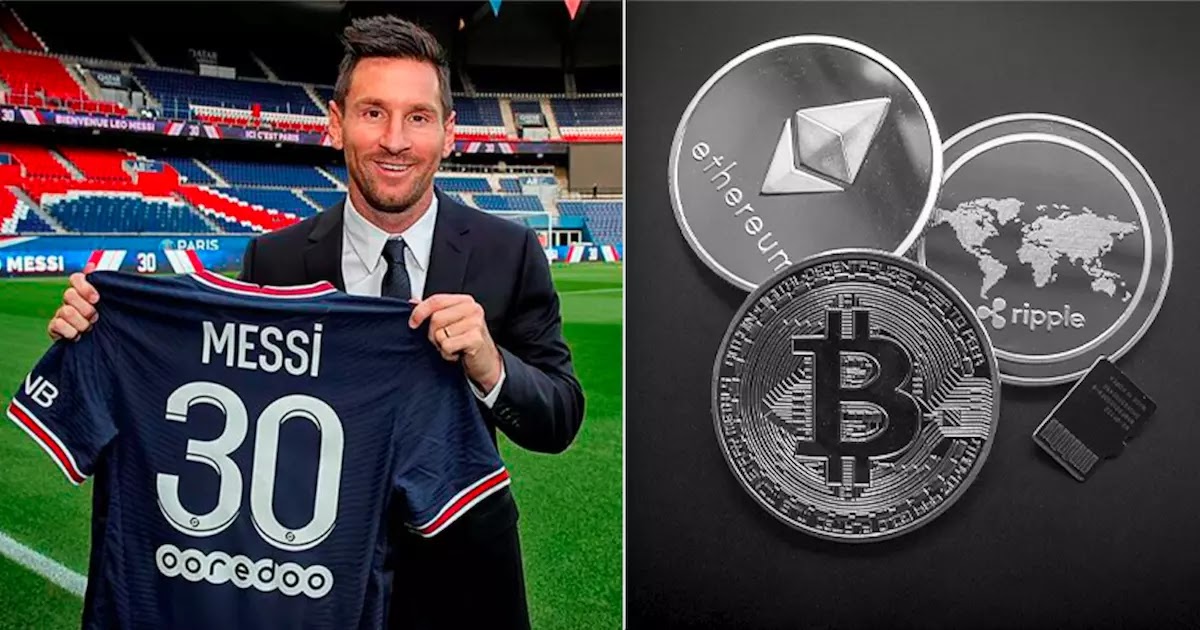
Lionel Messi’s World Cup hat-trick has ignited more than just celebrations among football fans worldwide. This iconic moment has sparked renewed interest in sports fan tokens and blockchain ticketing solutions, revolutionizing how supporters engage with their favorite athletes. The intersection of sports entertainment and blockchain technology continues to reshape the industry, with major sporting moments like Messi’s performance accelerating mainstream adoption of digital innovations.
When fans witness extraordinary athletic achievements, they naturally seek meaningful ways to commemorate and celebrate these moments. Sports fan tokens and blockchain ticketing now provide opportunities for fans to participate in digital economies alongside their heroes. This article explores how Messi’s legendary hat-trick has reignited interest in these revolutionary technologies, transforming traditional sports fandom into a dynamic, decentralized ecosystem where fans own digital assets and participate in community governance.
What Are Sports Fan Tokens and How Do They Work?
Understanding the Basics of Sports Fan Tokens
Sports fan tokens represent a fundamental shift in how athletes and teams interact with their supporters. These blockchain-based digital assets grant fans exclusive benefits, voting privileges, and access to premium content. Unlike traditional merchandise, sports fan tokens operate on transparent, immutable blockchain networks, ensuring authenticity and security for every transaction.
When fans purchase sports fan tokens, they become active participants in a digital ecosystem rather than passive consumers. The tokens function similarly to digital currencies but with specific utility tied to sports teams, athletes, or leagues. Messi’s World Cup success has directly influenced demand for fan tokens associated with his career, as supporters seek tangible ways to celebrate his achievement while investing in digital assets that may appreciate in value.
How Blockchain Technology Powers Fan Tokens
Blockchain technology provides the infrastructure that makes sports fan tokens secure and transparent. Each transaction is recorded on a distributed ledger, creating an immutable record that cannot be altered or forged. This transparency ensures that sports fan tokens maintain their authenticity and value, unlike counterfeit merchandise that has plagued the sports industry for decades.
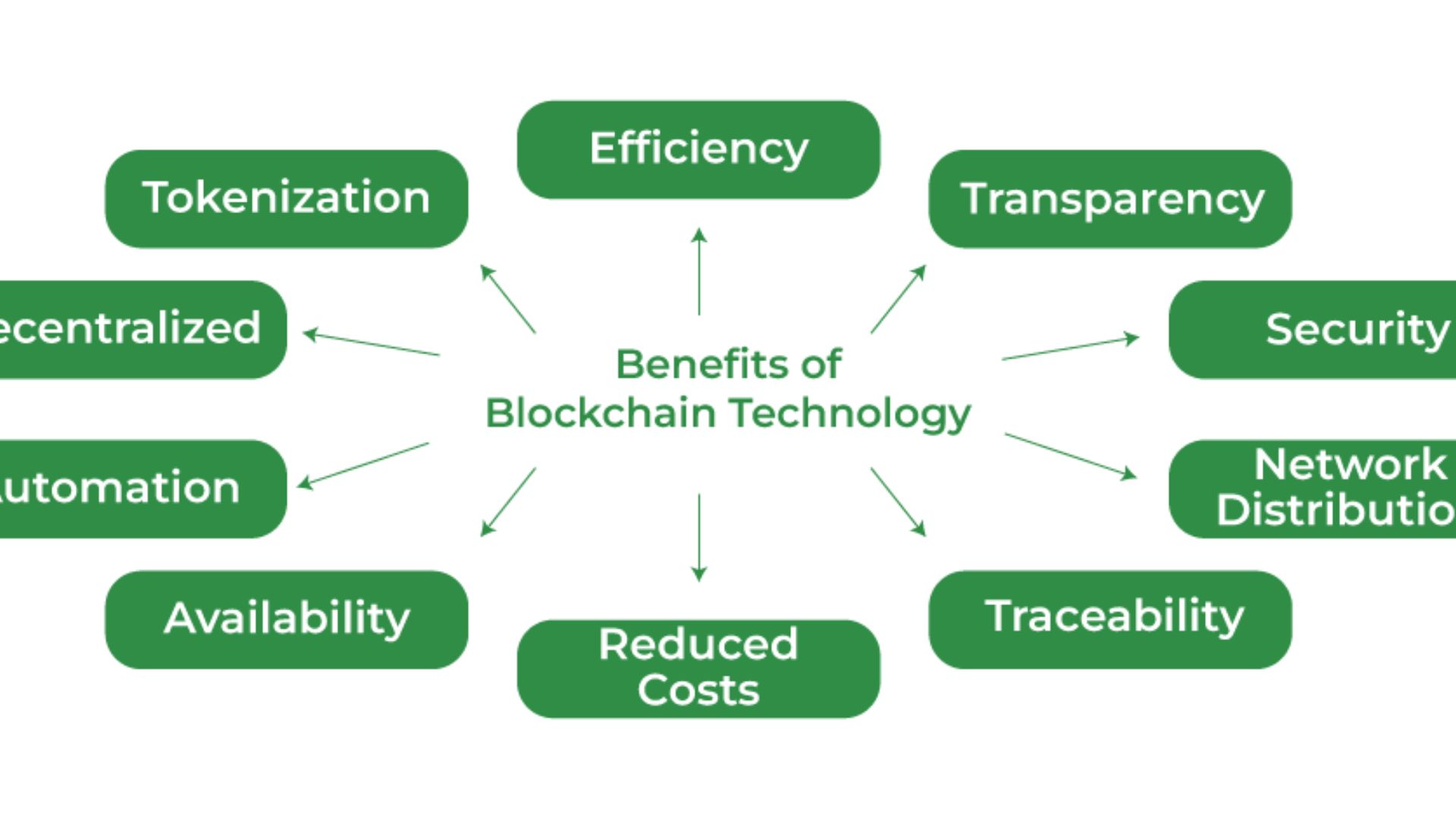
The smart contracts underlying sports fan tokens automatically execute predetermined conditions. When fans vote on team decisions, smart contracts tally results instantly. When merchandise becomes available exclusively for token holders, smart contracts manage distribution automatically. This automation eliminates intermediaries and reduces costs, benefits that ultimately enhance the fan experience while increasing profitability for teams and athletes.
The Impact of Messi’s Hat-trick on Fan Token Markets
Immediate Market Response to Iconic Performances
Messi’s World Cup hat-trick created an immediate surge in interest for sports fan tokens associated with his name and career. When globally recognized athletes deliver exceptional performances, demand for related digital fan tokens typically increases significantly. This direct correlation between sporting excellence and token valuations demonstrates that fans actively seek ways to commemorate historic moments through blockchain-based investments.
The timing of Messi’s performance proved crucial for sports fan token adoption. As millions of fans worldwide experienced the match simultaneously through broadcasts and social media, a massive global audience became aware of opportunities to engage with fan token platforms. This exposure introduced millions of potential users to blockchain sports technology who might never have encountered these platforms otherwise. The psychological impact of witnessing greatness creates powerful motivation for fans to participate in digital sports communities.
Why Sporting Moments Drive Technology Adoption
Major sporting events have historically served as catalysts for technology adoption across multiple industries. The World Cup specifically generates unprecedented global attention, creating ideal conditions for introducing new technologies to mainstream audiences. When celebrities like Messi dominate these events, their fan bases become early adopters of associated innovations, including sports fan tokens and blockchain ticketing solutions.
Sports fan tokens benefit tremendously from celebrity athlete endorsement and association. Fans who admire Messi want to demonstrate their loyalty and support through tangible means. Blockchain-based fan tokens provide exactly this opportunity, allowing supporters to invest in digital assets directly connected to their sporting heroes. The emotional connection between fans and athletes translates into commercial demand for sports blockchain products, driving adoption rates upward in the months following iconic performances.
Blockchain Ticketing and Its Benefits
How Blockchain Ticketing Works
Blockchain ticketing represents one of the most practical applications of blockchain technology in sports. Traditional ticketing systems have suffered from counterfeiting, fraud, and scalping for decades, creating problems for both legitimate fans and event organizers. Blockchain-based ticketing solves these issues through cryptographic authentication and transparent transaction records.
Each ticket created on a blockchain ticketing platform exists as a unique digital asset with verifiable ownership history. Fans purchasing tickets receive digital credentials that prove their right to attend specific events. This authentication mechanism makes counterfeiting virtually impossible, as the blockchain maintains a permanent record of legitimate ticket ownership. Event organizers can verify ticket authenticity instantly, eliminating security concerns that plague traditional systems.
Key Advantages of Blockchain Ticketing
Blockchain ticketing solutions offer numerous advantages over conventional systems. First, blockchain technology eliminates middlemen, reducing transaction fees and costs. Fans pay lower prices for tickets, while teams capture greater revenue. Second, smart contracts embedded in blockchain ticketing systems can enforce anti-scalping measures, ensuring fair access for genuine supporters. Third, blockchain ticketing creates transparent records that prevent double-selling and fraud.
Environmental sustainability represents another crucial benefit of blockchain ticketing. Unlike traditional paper tickets requiring printing, transportation, and disposal, blockchain-based tickets exist entirely digitally. For massive events like the World Cup attracting millions of attendees, transitioning to blockchain ticketing could eliminate billions of physical tickets annually, creating meaningful environmental benefits.
Blockchain Ticketing and Fan Experience
Blockchain ticketing enhances the overall fan experience by streamlining the purchase process and eliminating uncertainty about ticket authenticity. Fans can purchase tickets directly through blockchain ticketing platforms, confident that their credentials grant genuine access to events. Digital tickets can be instantly transferred to friends, shared across social media, or integrated with other blockchain sports applications like fan token platforms.
Sports Fan Tokens vs. Traditional Sports Merchandise
The Comparison Between Digital and Physical Assets
Sports fan tokens offer distinct advantages compared to traditional merchandise. While physical merchandise like jerseys and autographed memorabilia require manufacturing, shipping, and storage, digital fan tokens exist entirely online. This eliminates production costs, environmental waste, and supply chain complexities that plague physical merchandise industries.
Sports fan tokens also provide investment potential that physical merchandise cannot match. Token values fluctuate based on athlete performance, team success, and marketplace demand. Fans who purchase sports fan tokens during periods of high achievement like Messi’s World Cup performance may see significant appreciation as demand increases. Physical merchandise, conversely, typically depreciates after initial purchase, making sports fan tokens more attractive to investment-minded supporters.
Community and Engagement Benefits
Sports fan tokens create engaged communities in ways traditional merchandise cannot replicate. Token holders participate in governance decisions, vote on team matters, and access exclusive experiences unavailable to ordinary fans. This participatory dimension transforms passive consumption into active ownership, strengthening emotional bonds between fans and teams.
Fan token platforms create digital spaces where holders interact with one another, sharing enthusiasm and strategies. These communities develop organic momentum, with members recruiting friends and colleagues to join, creating network effects that expand the sports fan token ecosystem. Messi’s World Cup achievement provided the cultural moment necessary to legitimize sports fan tokens in mainstream consciousness, attracting participants who previously viewed cryptocurrency and blockchain as overly technical or suspicious.
The Rise of NFT Sports Collectibles
What Are NFT Sports Collectibles?
NFT sports collectibles represent unique digital assets that commemorate specific sporting moments, achievements, or memorabilia. Unlike fungible tokens that are interchangeable and identical, NFT sports collectibles are completely unique, with individual characteristics making each one irreplaceable. When Messi scored his World Cup hat-trick, teams and platforms immediately created limited-edition NFT collectibles capturing the moment for fans worldwide.
NFT sports collectibles provide verifiable ownership of digital content secured through blockchain technology. Each collectible contains metadata proving its authenticity and ownership history. Fans can confidently display their collections knowing that blockchain verification guarantees genuineness, eliminating counterfeiting concerns that plague traditional autographed merchandise and vintage sports cards.
How NFT Collectibles Drive Fan Engagement
NFT sports collectibles create intense engagement as fans compete to acquire limited-edition assets. The scarcity principle drives demand, with collectors willing to pay premium prices for rare, highly sought-after pieces. Messi’s hat-trick triggered rapid creation of related NFT collectibles, with millions of fans attempting to purchase limited editions before they sold out. This competitive dynamic generates sustained interest and media attention that extends far beyond the initial sporting moment.
How Blockchain Technology Is Transforming Sports
Current Applications of Blockchain in Sports
Blockchain technology in sports extends far beyond ticketing and fan tokens. Teams now use blockchain solutions for player contract management, ensuring transparent, tamper-proof record-keeping. Leagues implement blockchain systems for managing intellectual property rights and ensuring proper compensation for content creators. Athletes like Messi explore blockchain platforms for direct fan engagement, eliminating traditional management intermediaries.
Future Innovations in Sports Blockchain
Sports blockchain technology continues evolving with new applications emerging regularly. Decentralized autonomous organizations (DAOs) enable fan communities to operate as collective entities, collectively owning shares of teams and athletes. Blockchain-based payment systems allow international fans to purchase tickets and merchandise using cryptocurrency, eliminating currency conversion complications. Smart contracts increasingly manage athlete endorsement deals, automatically distributing payments when predetermined conditions are met.
Investment Opportunities in Sports Fan Tokens
Understanding the Investment Potential
Sports fan tokens present investment opportunities for both casual fans and institutional investors. Token valuations correlate with athlete performance, team success, and overall platform adoption. Investors who purchased sports fan tokens associated with successful athletes or teams before major achievements could experience significant returns as demand increases following iconic performances like Messi’s hat-trick.
Risk Considerations for Token Investors
While sports fan tokens offer potential rewards, investors must understand associated risks. Token markets remain volatile, with valuations fluctuating significantly based on athlete injuries, team performance, or broader cryptocurrency market conditions. Sports fan token platforms may face regulatory challenges as governments develop frameworks for blockchain-based securities. Potential investors should research specific projects thoroughly before committing capital to sports fan token investments.
Regulatory Landscape for Sports Blockchain Solutions
Current Regulatory Status
The regulatory environment surrounding sports fan tokens and blockchain ticketing continues evolving worldwide. Some jurisdictions classify sports fan tokens as financial securities, requiring compliance with securities regulations. Others treat them as virtual commodities with lighter regulatory frameworks. This regulatory uncertainty creates both challenges and opportunities as organizations navigate compliance requirements while exploring blockchain sports innovations.
Compliance and Security Standards
Blockchain sports platforms must implement rigorous security measures to protect user funds and personal data. Know Your Customer (KYC) procedures and Anti-Money Laundering (AML) compliance requirements apply to most sports fan token platforms, ensuring these systems prevent illegal activities. Legitimate blockchain sports companies embrace these standards, recognizing that regulatory compliance builds consumer confidence and long-term viability.
The Role of Celebrity Athletes in Driving Blockchain Adoption
Messi and the Normalization of Blockchain Sports
Lionel Messi’s World Cup performance has positioned the legendary athlete as an unlikely advocate for blockchain sports technology. While Messi did not explicitly endorse sports fan tokens or blockchain ticketing, his iconic achievement naturally drew fan attention toward these platforms. Celebrities of Messi’s caliber possess unprecedented influence over mainstream adoption of emerging technologies, simply through association and media coverage surrounding their achievements.
Other Athletes Embracing Blockchain Technology
Beyond Messi, numerous professional athletes have actively embraced blockchain sports platforms. NBA players have launched fan token platforms, enabling supporters to vote on matters like team apparel designs or charity partnerships. Football clubs like Paris Saint-Germain and FC Barcelona created official sports fan tokens, recognizing the revenue potential and fan engagement benefits. These initiatives demonstrate that sports blockchain adoption extends far beyond individual athletes to encompass entire organizations and leagues.
Conclusion
Messi’s World Cup hat-trick has served as a powerful catalyst for renewed interest in sports fan tokens, blockchain ticketing, and the broader blockchain sports ecosystem. The convergence of iconic athletic moments and emerging digital technologies creates powerful incentives for mainstream adoption of these innovative platforms. Fans worldwide now possess unprecedented opportunities to participate in digital economies, own authentic digital assets, and engage in community governance through sports blockchain applications.
The transformation of sports fandom through blockchain technology represents a fundamental shift in how athletes and teams interact with supporters. Sports fan tokens and blockchain ticketing solutions enable fans to transition from passive consumption toward active ownership and participation. As regulatory frameworks clarify, technology matures, and institutional adoption accelerates, blockchain sports innovation will increasingly become standard practice across professional athletics.
The future of sports engagement undoubtedly involves blockchain technology. Whether through fan token acquisition, blockchain ticketing purchases, or NFT sports collectibles, fans now possess tools to directly shape their relationship with the sports and athletes they love. Messi’s legendary performance serves as a cultural milestone, legitimizing blockchain sports technology in mainstream consciousness and accelerating adoption trajectories for years to come.
