


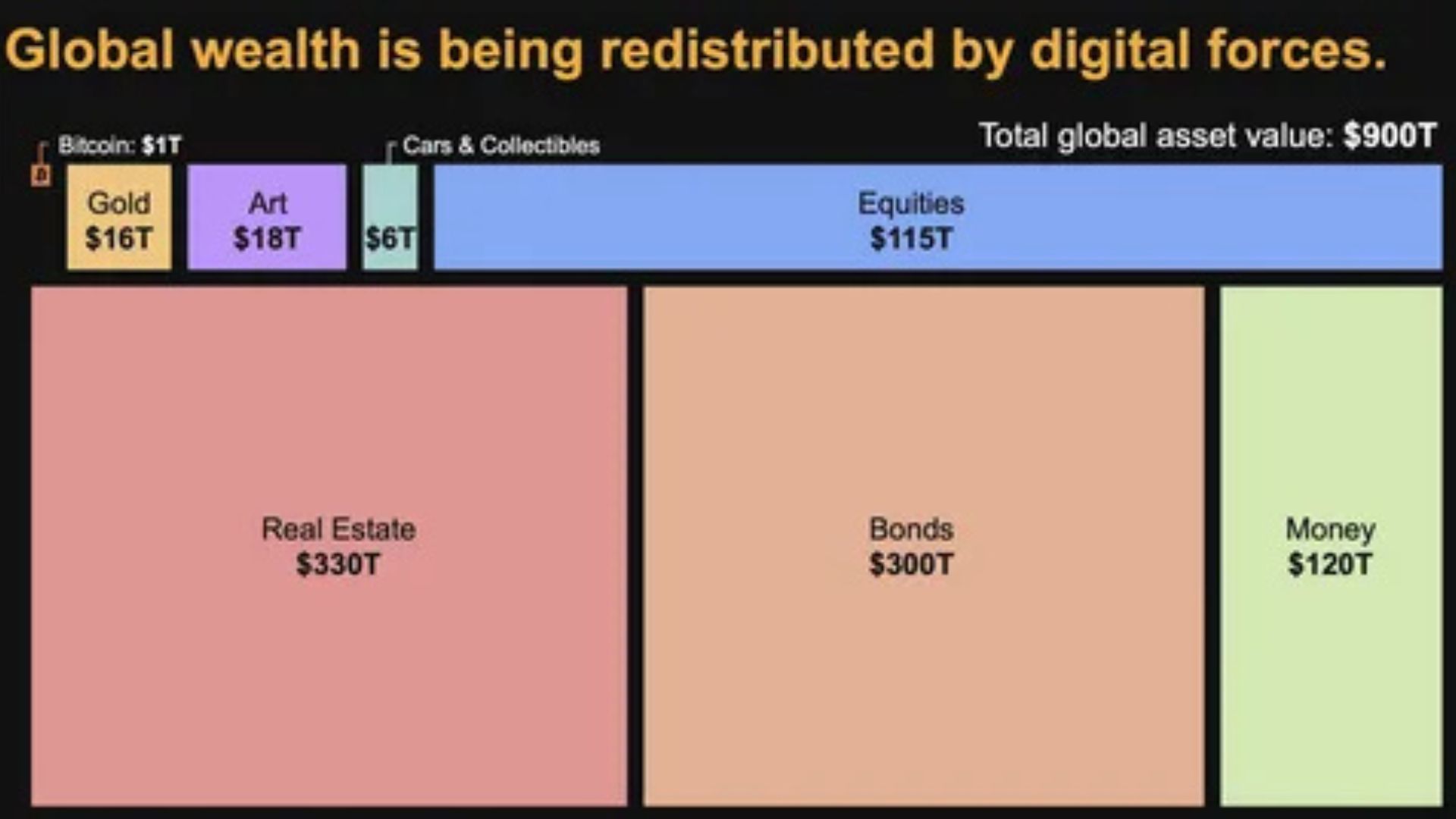
The cryptocurrency market in 2026 presents a tale of two economies. While Bitcoin and altcoins continue to generate headlines, the divergence between institutional investors and retail traders has never been more pronounced. Large wallet holders—commonly referred to as crypto whales—are aggressively accumulating digital assets, yet small investors and retail market participants find themselves caught in a squeeze of volatility and uncertainty. This paradox raises critical questions about the future of digital currency adoption and whether the market can sustain genuine growth when wealth concentration reaches such extremes.
The contrast between whale activity and small wallet struggles tells a compelling story about market maturity and the challenges facing everyday investors. As Bitcoin price volatility continues to dominate conversations, and altcoin trends shift rapidly, understanding the mechanics of this wealth disparity becomes essential for anyone considering cryptocurrency investment strategies. The stakes have never been higher, and the implications extend far beyond individual portfolios into the broader question of whether crypto adoption can truly democratize finance when the largest players hold disproportionate power.
The Current State of Bitcoin and Altcoins in 2026
The cryptocurrency landscape of 2026 reflects years of regulatory maturation, institutional acceptance, and market evolution. Bitcoin, the original blockchain asset, maintains its position as the market leader, though its dominance has been challenged by thousands of competing altcoins and cryptocurrency tokens. The crypto market has grown exponentially in terms of infrastructure, trading venues, and accessible tools, yet the paradox remains that smaller investors often lack the capital and information advantages that larger players enjoy.
Current Bitcoin valuation and altcoin performance metrics reveal a market in transition. Institutional investors have gradually shifted from viewing cryptocurrency as speculative digital assets toward treating them as legitimate portfolio diversifiers. This institutional adoption has fundamentally altered market dynamics, creating opportunities for those with sufficient capital to accumulate positions during periods of price volatility. Meanwhile, retail traders operating with limited trading capital and without access to institutional-grade analysis find themselves reactive rather than proactive in their investment decisions.
The altcoin ecosystem presents even more dramatic variations. While some alternative cryptocurrencies have established genuine utility and developer communities, others remain purely speculative instruments. This environment creates a minefield for small investors who lack the resources to conduct thorough due diligence or weather extended bear markets. The result is a market where digital asset concentration increases with each market cycle, as small holders panic-sell during downturns while whale wallets accumulate at discounted prices.
Whale Activity and Large Holder Accumulation
Whale investors—individuals and institutions holding millions of dollars in cryptocurrency holdings—operate under entirely different parameters than retail traders. These major stakeholders possess several inherent advantages that compound over time. They have access to over-the-counter (OTC) trading desks that allow them to move massive amounts of digital assets without triggering price swings. They employ sophisticated trading algorithms and employ teams of analysts to identify market opportunities. Most importantly, they have the financial capacity to hold positions indefinitely, weathering any market downturns without forced liquidation.
Recent blockchain analysis and on-chain metrics reveal striking patterns in whale behavior during 2026. Large wallet addresses have been steadily increasing their Bitcoin accumulation, particularly during periods when retail investors exit the market in fear. This pattern repeats across major altcoins as well, with whale wallets scooping up positions at prices that smaller investors view as prohibitively risky. The data suggests a calculated strategy: these major players recognize that market cycles inevitably reverse, and their capital reserves allow them to be patient.
The psychology of whale accumulation differs fundamentally from retail behavior. When cryptocurrency prices decline, retail traders often interpret the movement as a signal to sell and protect remaining capital. Whale investors, conversely, interpret the same signals as buying opportunities. This difference in perspective creates a self-reinforcing cycle where major holders accumulate larger positions precisely when small investors are most vulnerable to panic selling. Over multiple market cycles, this dynamic concentrates digital asset ownership among an ever-smaller number of wallets.
Furthermore, whale investors benefit from economies of scale that simply don’t exist for retail traders. The cost of running a full blockchain node, accessing premium market data, or employing sophisticated risk management systems represents a manageable business expense for institutional players but can exceed the entire trading capital of individual retail investors. These structural advantages ensure that the largest wallet holders maintain their edge indefinitely, regardless of whether cryptocurrency markets ultimately achieve mainstream adoption.
Why Small Wallet Holders Face Unique Challenges
The struggles of retail cryptocurrency investors extend far beyond simple capital disadvantage. Small wallet holders face a complex web of challenges that the institutional money never confronts. These challenges include limited access to information, vulnerability to market manipulation, insufficient capital for diversification, and psychological pressures that often lead to poor investment decisions.
Information asymmetry represents one of the most significant obstacles for small investors. Whale investors and institutional firms employ teams of researchers, data analysts, and market strategists who conduct comprehensive fundamental analysis and technical analysis of cryptocurrency projects. Retail traders typically rely on free information sources, social media discussions, and readily available technical indicators that everyone else also uses. This means that by the time retail investors identify a seemingly promising altcoin investment, the smart money has already positioned itself, and the opportunity is effectively closing.
The phenomenon of price volatility affects small wallet holders disproportionately. While whale investors can weather extreme swings in crypto asset values because their portfolios are diversified and their positions are long-term, retail traders operating with limited funds often face margin calls, forced liquidations, or emotional panic selling. A Bitcoin price drop of 20 percent might cause a whale portfolio to decline by a few percentage points across all holdings, while the same event could wipe out a leveraged retail position entirely.
Additionally, small investors frequently lack access to the most sophisticated trading tools and platforms. Retail cryptocurrency exchanges often provide basic functionalities, but the professional-grade trading infrastructure available to institutions—including algorithmic trading capabilities, advanced order types, and real-time market depth visualization—remains beyond reach for average traders. This technological disparity means that even when retail traders identify genuine trading opportunities, they execute them at worse prices than institutional participants.
The psychological dimension of small wallet struggles deserves particular attention. FOMO (fear of missing out) and FUD (fear, uncertainty, and doubt) drive retail trading behavior in ways that fundamental cryptocurrency value propositions don’t. When whale investors are quietly accumulating Bitcoin and altcoins, retail traders are often capitulating in panic, selling at precisely the wrong time. This emotional volatility compounds over multiple market cycles, creating a persistent wealth transfer from retail to institutional investors.
The Divergence: Institutional Money vs. Retail Reality
The gap between institutional cryptocurrency investment strategies and retail trading outcomes has widened considerably throughout 2026. This divergence reflects not merely different capital bases but fundamentally different approaches to digital asset management and market participation.
Institutional investors typically employ dollar-cost averaging strategies that reduce market timing risk and allow them to accumulate positions regardless of short-term price volatility. They set predetermined allocation percentages for cryptocurrency exposure and rebalance mechanically without emotional interference. This systematic approach has proven remarkably effective across multiple market cycles, as it forces investors to buy more during downturns and less during peaks—precisely the opposite of retail behavior.
Retail traders, meanwhile, often chase momentum, attempting to time the market by buying after price rallies and selling after price declines. This reactive approach guarantees underperformance relative to simpler buy-and-hold strategies. The evidence is overwhelming: retail traders who day-trade cryptocurrency or attempt to time altcoin cycles consistently underperform passive holding strategies, even before accounting for trading fees and taxes.
The institutional accumulation during 2026 has been particularly noteworthy. Major cryptocurrency funds and blockchain-focused investment vehicles have continued deploying capital into Bitcoin holdings and altcoin positions, suggesting that professional investors believe the current market represents fair value or better. Meanwhile, retail investors increasingly question whether they should participate at all, having experienced losses during previous cycles or witnessed others suffer dramatic drawdowns.
This divergence creates a self-fulfilling prophecy. As small investors exit positions and larger institutions accumulate. The balance of power shifts decisively toward major wallet holders. The cryptocurrency market becomes increasingly dominated by a smaller number of large players whose actions can move prices considerably. This concentration of ownership raises legitimate questions about whether digital currencies can fulfill their original promise of decentralized, democratized finance.
Market Cycles and the Pattern of Wealth Concentration
Understanding historical cryptocurrency market cycles provides crucial context for the current divergence between whale and retail behavior. Since Bitcoin’s inception, the digital asset market has followed remarkably consistent patterns: explosive growth phases followed by severe corrections. Each cycle concentrating wealth among fewer holders.
During bull markets, retail investors become increasingly optimistic and deploy capital aggressively. Often near the peak of euphoria. This period of retail buying typically pushes prices to unsustainable levels, as small investors compete with each other for available cryptocurrencies. Meanwhile, whale investors begin profit-taking. Distributing positions to eager retail buyers at inflated prices. When the inevitable correction arrives, retail investors panic and sell. Often near market bottoms, while whale holders deploy fresh capital to acquire positions at steep discounts.
This cyclical pattern has repeated for over a decade, with each iteration concentrating crypto asset ownership among fewer wallets. Early Bitcoin adopters who maintained positions through multiple cycles have accumulated tremendous wealth. While newer investors entering at peaks typically experience losses. The altcoin market exhibits even more extreme versions of this pattern. With speculative frenzies followed by 80 to 90 percent drawdowns from peaks.
The 2026 environment reflects maturation of these cycles. The early days of extreme volatility have given way to more predictable patterns. At least for major assets like Bitcoin. However, this stabilization benefits established wealth holders more than newcomers. The cryptocurrency that once offered genuine wealth-creation opportunities for early participants now primarily redistributes wealth from late entrants to early adopters and institutional investors.
Will Bitcoin and Altcoins Finally Break Out?
The central question facing the cryptocurrency market in 2026 is whether Bitcoin and altcoins can achieve genuine mainstream adoption and sustained value growth, or whether they will remain trapped in cycles of speculation and wealth concentration. The answer likely involves both dynamics operating simultaneously.
Bitcoin’s technical fundamentals appear sound. The blockchain infrastructure underlying Bitcoin has proven robust over more than fifteen years, and institutional adoption continues expanding. Major corporations and investment funds now hold Bitcoin reserves. Treating the asset as a store of value rather than speculative instruments. This shift toward Bitcoin as asset class positioning suggests that the next phase of growth may rely less on retail speculation and more on genuine adoption as a digital currency alternative to traditional financial instruments.
However, Bitcoin’s path to mainstream adoption faces real obstacles. Transaction speeds remain slow compared to traditional payment networks. Regulatory uncertainty continues in major markets, with governments worldwide still developing frameworks for cryptocurrency trading and digital asset ownership. Most fundamentally. The wealth concentration dynamic threatens the original vision of decentralized finance. If Bitcoin and altcoins eventually reach mainstream adoption while ownership remains concentrated among whale holders. They will have failed to democratize financial systems in any meaningful sense.
Altcoins face even steeper challenges. Thousands of alternative cryptocurrencies compete for user adoption and developer interest. But the vast majority lack genuine utility or sustainable developer communities. The altcoin market operates almost exclusively on speculation and sentiment. Making it particularly vulnerable to market manipulation and to the wealth concentration dynamics discussed throughout this article. For altcoin adoption to accelerate meaningfully. Projects must first demonstrate genuine technological advantages or utility cases that justify valuations.
The answer to whether cryptocurrency “finally takes off” likely depends on how we define success. If success means sustainable growth and mainstream payment adoption, the current trajectory suggests modest but real progress. Institutional adoption continues expanding, regulatory frameworks increasingly recognize digital assets as legitimate investment vehicles, and technological improvements gradually enhance cryptocurrency functionality. However, if success requires genuine democratization and wealth distribution. The current pattern of whale accumulation and retail struggles suggests we’re moving in the opposite direction.
Strategies for Small Investors in an Unequal Market
Despite the structural advantages favoring whale investors, small wallet holders aren’t entirely powerless. Several strategies can help retail investors improve outcomes within the current cryptocurrency market environment.
First, retail investors should embrace long-term holding strategies rather than attempting to time market cycles. The evidence overwhelmingly shows that buy-and-hold strategies outperform active trading for individual investors. By establishing a reasonable cryptocurrency allocation and maintaining it through market ups and downs. Small investors reduce emotional decision-making and capture the long-term growth of blockchain technology without requiring perfect market timing.
Second, diversification across cryptocurrencies provides important risk mitigation. Rather than concentrating entire portfolios into Bitcoin or single altcoin positions. Smaller investors benefit from spreading capital across multiple digital assets. While this diversification reduces the potential for spectacular gains. It also dramatically reduces the risk of catastrophic losses if any particular cryptocurrency fails or faces regulatory challenges.
Third, retail investors should focus on projects with genuine utility and established developer communities. The altcoin market is rife with speculation and outright fraud. But genuine blockchain projects with real-world applications do exist. By conducting careful due diligence and focusing on cryptocurrency projects with transparent development teams and clear value propositions. Retail investors can reduce exposure to pure speculation.
Finally, risk management becomes paramount for smaller investors. This includes never investing more than can be afforded to lose completely. Avoiding leverage or margin trading that can lead to forced liquidation, and maintaining discipline to avoid emotional decision-making during periods of extreme market volatility. These fundamentals of prudent investing apply especially in the cryptocurrency market. Where price volatility is more extreme than traditional assets.
Conclusion
The tale of Bitcoin and altcoin markets in 2026 remains fundamentally one of diverging fortunes. While whale investors continue accumulating digital assets with methodical discipline and structural advantages. Small wallet holders struggle with information asymmetry. Capital constraints, and psychological pressures that consistently drive poor investment decisions. This divergence suggests that without significant changes to market structure, regulatory frameworks. Or cryptocurrency technology, the original promise of democratized finance will remain unfulfilled.
Bitcoin and altcoins will likely continue their gradual march toward greater adoption and integration into mainstream financial systems. Technological improvements will enhance functionality. Institutional participation will increase, and regulatory clarity will eventually arrive. However, these positive developments for the cryptocurrency market overall don’t necessarily translate to better outcomes for small investors. If wealth continues concentrating among whale holders.
The path forward for retail cryptocurrency investors involves accepting that they cannot compete on whale investors’ terms. Instead, small wallet holders should focus on long-term value accumulation, disciplined risk management, and avoidance of the speculative traps that characterize the altcoin market. By thinking like patient institutional investors rather than traders seeking quick gains. Retail participants can participate meaningfully in the digital asset economy without gambling their financial security.
FAQs
Q. Why do whale investors have such an advantage in the cryptocurrency market?
Whale investors possess several structural advantages that compound over time. They have access to over-the-counter trading platforms that execute large orders without impacting prices. Employ professional analysts and sophisticated algorithms. Maintain diversified portfolios reducing individual asset volatility impact, and possess sufficient capital to hold positions indefinitely without forced liquidation. These advantages create a self-reinforcing cycle where larger holders accumulate progressively larger shares of total cryptocurrency supply.
Q. Is it still possible for small investors to profit from Bitcoin and altcoins?
Yes, but success requires different approaches than whale investors employ. Small investors should adopt long-term holding strategies rather than attempting to time markets. Diversify across multiple cryptocurrencies to manage risk. Focus on genuine blockchain projects with real utility, and practice strict risk management discipline. Historical data shows that patient, disciplined retail investors who avoid emotional trading can achieve reasonable returns. Though likely not matching whale investors who operate with capital and information advantages.
Q. What differentiates legitimate altcoins from pure speculation?
Legitimate altcoin projects typically feature active developer communities with regular code contributions. Clear stated value propositions addressing genuine problems. Transparent team members with relevant backgrounds, and adoption beyond pure speculation (business partnerships, payment integrations, or active user bases). Conversely, speculative altcoins often feature anonymous teams. Vague descriptions, no active development, and purely speculative trading communities. Investors should scrutinize projects carefully before allocating capital.
Q. Will regulatory frameworks help or harm small cryptocurrency investors?
Regulatory clarity will likely help small investors more than whale investors in the long run. Clear regulations reduce market manipulation and fraud that disproportionately harm retail traders unfamiliar with cryptocurrency market dynamics. However, regulations may also restrict retail access to certain trading strategies or platforms. Creating short-term friction. Overall, the evidence suggests that reasonable regulatory frameworks improve cryptocurrency market integrity and reduce speculative excesses that consistently harm retail investors.
Q. Should retail investors use leverage or margin trading in cryptocurrency markets?
No, leverage and margin trading present extreme dangers for retail investors in the cryptocurrency market. The price volatility of digital assets frequently exceeds leverage levels. eading to sudden liquidation of positions at devastating losses. Whale investors with risk management. Lnfrastructure and deep capital reserves might employ leverage strategically. But retail investors lack the tools and capital buffers to survive ordinary market moves. History conclusively shows that margin trading typically depletes retail accounts rather than enriching them.
