



Bitcoin has always been at the forefront of cryptocurrency discussions, and recent market movements in spot Bitcoin ETFs are drawing significant attention from investors worldwide. The cryptocurrency market witnessed a notable shift when Bitcoin ETF outflows reached $1.23 billion in a single week, marking a substantial change in investor sentiment. Simultaneously, the overall Bitcoin supply has fallen to levels not seen since 2020, creating a fascinating dynamic that warrants deeper exploration.
This convergence of events raises important questions about market direction, investor confidence, and the long-term implications for Bitcoin price movements and the broader digital asset ecosystem. Understanding these trends requires examining the forces driving Bitcoin ETF withdrawals, the reasons behind declining cryptocurrency supply levels, and what this means for both seasoned and novice investors.
Bitcoin Spot ETFs and Market Dynamics
Spot Bitcoin ETFs have revolutionized the way traditional investors access Bitcoin investments without directly managing private keys or using cryptocurrency exchanges. Since their introduction, these financial instruments have become increasingly popular among institutional investors and retail participants seeking exposure to Bitcoin market movements through conventional brokerage accounts.
What Are Spot Bitcoin ETFs?
Bitcoin spot ETFs are investment vehicles that track the real-time price of Bitcoin by holding actual Bitcoin in reserve. Unlike Bitcoin futures ETFs, which derive their value from derivative contracts, spot Bitcoin ETF products maintain a one-to-one relationship with the underlying asset. This structure provides investors with direct exposure to Bitcoin price performance while offering the convenience and regulatory familiarity of traditional exchange-traded funds.
The introduction of spot Bitcoin ETFs in major markets represented a watershed moment for Bitcoin adoption. Institutional investors who previously faced regulatory or operational barriers could now gain Bitcoin exposure through their existing investment accounts. This accessibility has contributed to greater Bitcoin market participation and increased trading volumes in the digital currency space.
The Significance of Recent ETF Outflows
The reported $1.23 billion in weekly Bitcoin ETF outflows represents a meaningful shift in investment patterns. While Bitcoin ETF outflows are not uncommon—markets naturally experience fluctuations in capital flows—the magnitude and timing of these withdrawals deserve attention. Outflows from Bitcoin ETFs can indicate several scenarios: investors reallocating funds to other assets, taking profits after price gains, or responding to broader market uncertainty.
Bitcoin ETF redemptions typically accelerate when investors perceive heightened risk or when alternative investments offer more attractive risk-adjusted returns. The connection between ETF outflows and Bitcoin price dynamics is complex, as outflows don’t necessarily predict downward price movement but rather reflect current investor positioning and sentiment.
Bitcoin Supply Falls to 6-Year Low: Understanding the Implications
The decline in circulating Bitcoin supply to levels unseen since 2020 represents a structural shift in the cryptocurrency market. This phenomenon has emerged due to several interconnected factors that merit comprehensive examination.
What Drives Changes in Bitcoin Supply Metrics?
The Bitcoin supply figure that captures market attention typically refers to the amount of Bitcoin in active circulation. Distinguished from the total possible supply of 21 million Bitcoin. Several mechanisms influence the active Bitcoin supply available for trading and transactions.
Bitcoin holdings accumulated by long-term investors and institutions reduce the circulating supply available for immediate market activity. Many Bitcoin holders engage in a practice known as “hodling”—maintaining positions regardless of price fluctuations. When Bitcoin owners choose to store assets in personal wallets or institutional custody arrangements rather than lending them out or trading them, this effectively reduces the supply available for trading.
The Bitcoin mining process continues to generate new coins, but this supply inflation is offset by the phenomenon of lost Bitcoin—coins that become permanently inaccessible due to forgotten private keys, hardware failures, or other irreversible circumstances. The Bitcoin halving events that occur approximately every four years further reduce the rate of new supply creation. Contributing to the scarcity narrative that has always been central to Bitcoin’s value proposition.
The Connection Between Supply Scarcity and Market Dynamics
Supply reduction in any asset typically supports price appreciation over extended timeframes, assuming demand remains constant or increases. The Bitcoin supply crunch to 6-year lows comes at a time of renewed institutional interest and broader macroeconomic uncertainty that often drives interest in alternative assets like cryptocurrency.
When Bitcoin circulating supply contracts while demand from institutions and retail investors remains strong, the conditions for price appreciation emerge. However, the relationship between supply levels and price is not deterministic—it operates within a complex ecosystem of sentiment, regulatory changes, technological development, and macroeconomic factors.
Long-term Bitcoin investors who believe in the asset’s future potential may resist selling at current prices, preferring to accumulate additional holdings. This behavior, multiplied across thousands of participants, contributes significantly to the Bitcoin supply shortage observed in recent months. The practice reflects growing confidence in Bitcoin’s role as digital gold or a hedge against inflation concerns.
Market Implications of ETF Outflows and Supply Constraints
The simultaneous occurrence of major Bitcoin ETF outflows and declining supply levels creates a nuanced market scenario that defies simple interpretation.
Analyzing the Paradox: Outflows Amid Supply Scarcity
On the surface, large-scale ETF withdrawals might suggest weakening investor confidence in Bitcoin. However, this interpretation requires more careful analysis. Spot Bitcoin ETFs function as one conduit for Bitcoin access, but they represent only a portion of total Bitcoin market capitalization and cryptocurrency holdings globally. Significant outflows from these vehicles could coincide with direct Bitcoin purchases through other channels or transfers to personal custody.
The cryptocurrency market has evolved substantially, offering multiple pathways for Bitcoin investment and storage. Institutional Bitcoin purchases increasingly occur through direct acquisitions and custody arrangements rather than exclusively through ETF vehicles. Therefore, Bitcoin ETF outflows may not indicate absolute declining demand but rather changing distribution channels for accessing this digital asset.
Market participants must distinguish between structural market shifts and cyclical capital flows. The Bitcoin market experiences periodic rebalancing as investors adjust portfolio weightings based on market conditions, macroeconomic indicators, and personal investment timelines. A week of $1.23 billion in outflows within the context of a multi-trillion-dollar global asset market represents meaningful but contextual movement.
What Rising Supply Scarcity Suggests About Bitcoin’s Future
The tight Bitcoin supply environment suggests that the available Bitcoin for purchase at various price levels may be limited, potentially supporting price stability or upward price pressure depending on demand dynamics. Bitcoin scarcity has always been fundamental to the asset’s design philosophy. Intentionally created through the capped supply of 21 million coins and the predictable mining schedule.
As the Bitcoin supply becomes increasingly constrained through a combination of lost coins, long-term holdings, and slowing new coin production. The scarcity premium embedded in the Bitcoin price may increase. This dynamic becomes particularly relevant if institutional adoption continues accelerating, as large institutions historically accumulate assets they perceive as having limited future availability.
The 6-year low in Bitcoin supply metrics aligns with a narrative of Bitcoin maturation as an asset class. Where Bitcoin once existed primarily in the retail investor domain. It increasingly occupies a place in institutional portfolios, corporate treasuries, and alternative asset allocation frameworks. This institutional demand for Bitcoin may prove more price-stable and volume-insensitive than purely speculative retail trading.
Regulatory Environment and Its Impact on Bitcoin ETFs
The regulatory landscape surrounding Bitcoin ETFs and cryptocurrency investment products continues evolving, with significant implications for market participants.
Global Regulatory Developments Affecting ETF Flows
Cryptocurrency regulation varies substantially across jurisdictions, influencing Bitcoin ETF availability and investor participation. Countries that have embraced Bitcoin ETF approvals have generally seen increased institutional investment in cryptocurrency. While jurisdictions maintaining restrictive stances experience lower Bitcoin market participation among regulated financial entities.
The regulatory clarity surrounding spot Bitcoin ETFs remains a critical factor determining capital flows. When regulatory bodies provide explicit approval and clear compliance frameworks. Investor confidence in these instruments strengthens. Typically supporting more consistent capital flows. Conversely, regulatory uncertainty or adverse policy signals can trigger Bitcoin ETF redemptions as investors seek exposure through less-regulated or more legally certain pathways.
Institutional investors operate within strict compliance requirements and fiduciary obligations that demand clarity regarding cryptocurrency regulatory status. The Bitcoin ETF structure provides institutional investors with a familiar regulatory framework Making these vehicles preferred for many traditional financial institutions. Changes to this regulatory environment directly impact ETF inflows and outflows.
Future Regulatory Trends
Forward-looking analysis suggests that cryptocurrency regulation will continue maturing toward greater clarity and standardization. Global financial regulators increasingly recognize that Bitcoin and related assets warrant specific regulatory attention. Distinct from both traditional securities regulation and banking supervision. This recognition may ultimately support more consistent institutional Bitcoin investment through regulated ETF vehicles.
What Investors Should Consider During Market Volatility
Bitcoin market conditions characterized by simultaneous ETF outflows and supply scarcity present both risks and opportunities for investors across all experience levels.
Long-Term Perspective on Bitcoin Investment
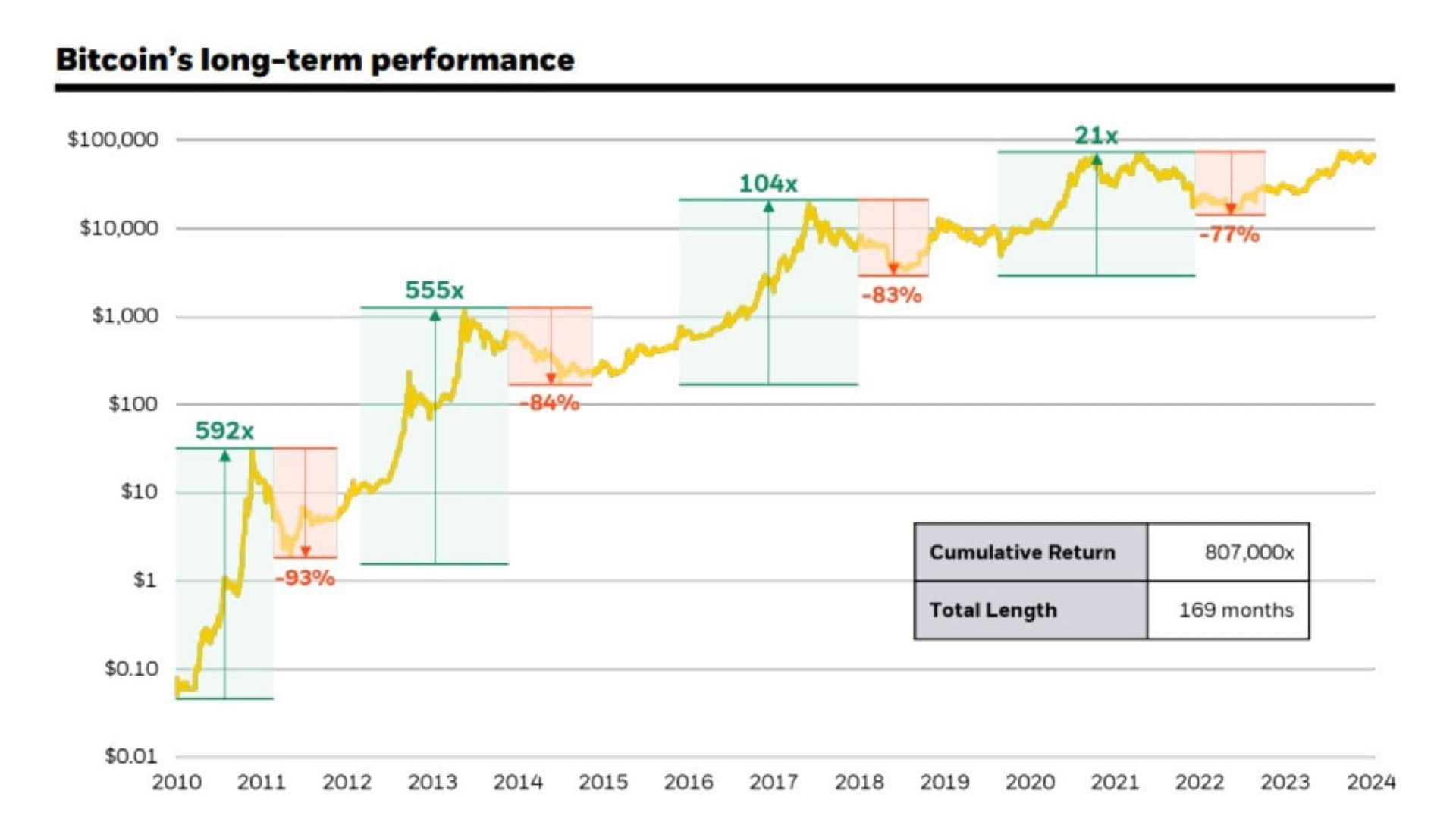
Bitcoin’s historical price performance demonstrates significant volatility alongside strong long-term appreciation across multi-year periods. Investors focused on extended timeframes have historically weathered short-term market fluctuations to benefit from broader upward price trends. The current market environment. Characterized by tight supply and selective investor flows, may create attractive entry points for those believing in Bitcoin’s long-term thesis.
Long-term Bitcoin holders typically emphasize the fundamental factors underlying Bitcoin’s value: limited supply, decentralized security, proven store of value characteristics, and increasing institutional adoption. These factors operate on timeframes measured in years and decades rather than weeks or months, suggesting that weekly ETF outflows. While notable, should not overshadow longer-term consideration.
Risk Management in Volatile Markets
Portfolio diversification remains essential for any investor navigating cryptocurrency markets. While Bitcoin represents the most established and liquid digital asset. Cryptocurrency investments should typically represent a limited percentage of overall portfolios, sized according to individual risk tolerance and investment objectives. Market volatility in Bitcoin trading can be substantial, making position sizing particularly important.
Risk-conscious investors should evaluate whether current Bitcoin price levels align with their entry targets and investment thesis. The combination of ETF outflows and supply scarcity suggests contrarian opportunities for investors with conviction. But only those comfortable with the accompanying volatility and uncertainty.
Conclusion
The Bitcoin market continues demonstrating its complex, multifaceted nature as it matures from a speculative asset into an increasingly mainstream investment option. The $1.23 billion in weekly spot Bitcoin ETF outflows and the 6-year low in Bitcoin supply represent important data points for understanding current market dynamics. But neither should be interpreted in isolation from broader context.
Bitcoin ETF redemptions may reflect profit-taking, portfolio rebalancing, or capital reallocation to other opportunities, rather than fundamental deterioration in Bitcoin’s value proposition. Simultaneously, the declining Bitcoin supply creates structural conditions that. Historically have supported price appreciation when combined with steady or increasing demand.
The convergence of these trends suggests a Bitcoin market undergoing natural cyclical fluctuations within a longer-term uptrend. Investors should maintain focus on their individual investment objectives, risk parameters. Time horizons rather than reacting emotionally to weekly flow data or supply metrics. The Bitcoin ecosystem continues strengthening through improved custody solutions, regulatory clarity, institutional participation, and technological advancement.
As the cryptocurrency market matures, these periodic cycles of ETF inflows and outflows will likely persist, creating opportunities for disciplined investors who maintain clear investment frameworks. Whether this current period of outflows and supply scarcity marks a temporary pause or a significant market transition remains to be seen. But the fundamental Bitcoin narrative of limited supply meeting increasing demand continues holding substantial power over long-term price direction.
Frequently Asked Questions
Q. Why are Bitcoin spot ETFs experiencing significant outflows?
Bitcoin ETF outflows reflect various investor motivations, including profit-taking after price gains, rebalancing portfolio allocations. Or shifting capital to alternative investments. Outflows don’t necessarily indicate declining confidence in Bitcoin itself but rather changing investor positioning and capital allocation preferences. Some investors may be rotating from ETF vehicles to direct Bitcoin purchases through other channels, meaning capital exits from ETFs don’t always represent capital leaving the Bitcoin market entirely.
Q. What does a 6-year low in Bitcoin supply mean for prices?
Historically low Bitcoin supply figures suggest increasing scarcity, which typically supports price appreciation when demand remains constant or grows. Limited available supply at various price levels can create conditions for upward price pressure as demand accumulates. However supply is only one factor influencing Bitcoin price; sentiment, adoption rates, regulatory developments, and macroeconomic conditions also play significant roles in determining future price direction.
Q. Should I be concerned about Bitcoin ETF outflows as an investor?
Bitcoin ETF outflows, while noteworthy, should not alarm long-term investors focused on extended holding periods. Short-term capital flows within ETF vehicles are normal market activity that regularly fluctuates based on investor sentiment and portfolio management. Long-term Bitcoin investors should evaluate their personal investment thesis and risk tolerance rather than reacting to weekly flow data. Market timing based on short-term flows typically proves unsuccessful.
Q. Are Bitcoin ETFs the only way to access Bitcoin exposure?
No, Bitcoin ETFs represent just one of many methods for accessing Bitcoin exposure. Investors can directly purchase Bitcoin through cryptocurrency exchanges, utilize custody services, purchase through financial advisors. Or acquire Bitcoin as part of diversified cryptocurrency portfolios. Some investors prefer direct Bitcoin ownership for greater control and security, while others favor ETF exposure for regulatory familiarity and operational simplicity through traditional brokerage accounts.
Q. How do Bitcoin ETF flows relate to actual Bitcoin demand and price?
The relationship between Bitcoin ETF flows and Bitcoin price is complex and not perfectly correlated. While large inflows may indicate positive investor sentiment that can support price appreciation, ETF outflows don’t necessarily predict price declines. Bitcoin’s price ultimately reflects supply and demand dynamics across all market participants, not exclusively ETF investors. Institutional purchases, retail trading, mining activity, and lost coins all influence Bitcoin supply and demand dynamics that drive price movements.
